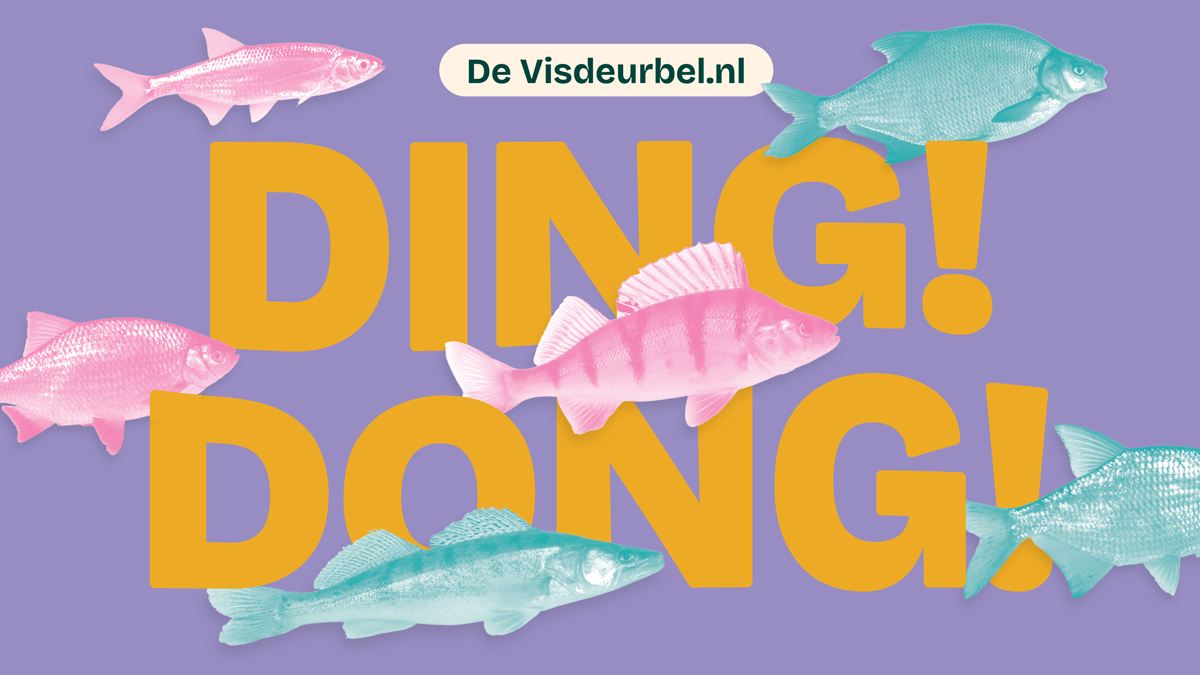
Unraveling the Mystery: The Visdeurbel Tatoeage and its Connection to the Iconic Fish Doorbell
The world of tattoos is a vibrant tapestry of personal stories, cultural symbols, and artistic expression. From intricate sleeves depicting ancient myths to minimalist designs celebrating personal milestones, each piece of ink tells a tale. In recent years, a unique phrase has begun to surface in conversations among tattoo enthusiasts and cultural observers alike: the "visdeurbel tatoeage." This intriguing term immediately brings to mind "De Visdeurbel," or The Fish Doorbell, the Dutch phenomenon that captured hearts worldwide. But is there a concrete link between this quirky, ingenious project and actual skin art?
Our initial exploration into official sources regarding De Visdeurbel project reveals an interesting truth: there is no direct mention or documentation of a "visdeurbel tatoeage" being part of the project's official merchandise, community initiatives, or historical records. As highlighted in our deep dive,
No Visdeurbel Tattoo Details Found in Fish Doorbell Sources, the available information focuses purely on the operational aspects, the mission, and the incredible success of the Fish Doorbell itself.
However, the absence of official recognition does not mean the idea of a
visdeurbel tatoeage is entirely unfounded or lacks appeal. The Fish Doorbell project embodies a blend of environmental conservation, community spirit, and delightful Dutch ingenuity – elements that frequently inspire personal and permanent tributes. This article delves into the potential reasons why such a tattoo could exist, the profound cultural impact of the Fish Doorbel, and how an individual might choose to honor this unique initiative through body art.
The Phenomenon of De Visdeurbel: A Brief Overview
Before we explore the tattoo connection further, it's essential to understand the subject itself: De Visdeurbel. Originating in Utrecht, Netherlands, this innovative project was launched to assist migrating fish during their upstream journey. The specific bottleneck in question is the Weerdsluis sluice in the Vecht River. For years, fish struggled to pass this barrier, especially during the spring migration season when water levels were often regulated in a way that hindered their movement.
The brilliant, yet remarkably simple, solution came in the form of a real-time underwater camera stream and a digital doorbell. Enthusiasts from around the globe could log onto the Fish Doorbell website, observe the fish congregating at the sluice, and if they spotted fish waiting, they could press a virtual doorbell. This action would alert the sluice keeper, who would then open the sluice gate, allowing the fish to pass safely.
The project quickly transcended its humble origins to become a global sensation. It garnered millions of views and doorbell presses, fostering a unique connection between humans and aquatic wildlife. Beyond its practical function, De Visdeurbel became a symbol of:
- Environmental Awareness: Highlighting the challenges faced by migratory fish and the impact of human infrastructure on ecosystems.
- Community Engagement: Uniting people from diverse backgrounds in a common, positive cause.
- Innovative Problem-Solving: Showcasing a creative, low-tech solution to a complex ecological problem.
- Dutch Charm and Ingenuity: Embodying a pragmatic yet heartwarming approach to nature conservation.
The seasonal nature of the project, typically running during peak migration periods, also adds to its anticipation and special character, making it a beloved annual event for many.
Why a "Visdeurbel Tatoeage" Could Be More Than Just a Myth
Despite the official silence on tattoos, the cultural impact of De Visdeurbel is undeniable. It's a project that resonates deeply with people for a myriad of reasons, and this emotional connection is precisely what often drives individuals to get tattoos. The concept of a
visdeurbel tatoeage, therefore, isn't far-fetched at all when considering the psychology behind commemorative body art.
People get tattoos to:
- Commemorate Important Events: A unique experience, a significant time in their lives, or a global phenomenon that touched them.
- Express Personal Passions: A deep love for nature, marine life, environmental causes, or a specific animal.
- Display Cultural Pride: A connection to Dutch innovation, a specific region (Utrecht), or a beloved national characteristic.
- Symbolize Values: Resilience (like the migrating fish), community, ingenuity, or the power of collective action.
- Embrace Uniqueness: A quirky, memorable, and conversation-starting design that stands out.
A
visdeurbel tatoeage could encapsulate any of these sentiments. Imagine someone deeply passionate about freshwater ecosystems finding inspiration in the project's mission. Or an individual who simply fell in love with the charming simplicity and effectiveness of the Fish Doorbell, seeing it as a beacon of hope for environmental initiatives. For many, it's not just about fish; it's about the bigger picture of stewardship and connection.
Designing Your Own Visdeurbel Inspired Ink (Practical Tips)
If the idea of a
visdeurbel tatoeage sparks your imagination, there are numerous creative avenues to explore. This isn't about getting a logo; it's about capturing the essence of the project in a personal and artistic way. Here are some elements and considerations for a meaningful design:
- Key Visual Elements:
- The Fish: Representing the migratory species (bream, pike, salmon often seen). This could be a detailed depiction or a stylized silhouette.
- The Doorbell: A classic bell icon, perhaps with a fish "ringing" it, or a more abstract representation of sound waves in water.
- Water & River Scenery: Ripples, currents, river stones, or even a subtle outline of the Vecht riverbank or the sluice structure.
- The Camera Lens: A subtle nod to the underwater camera that makes the project possible.
- Style and Aesthetic: Consider various tattoo styles – realism, traditional, minimalist, watercolor, or even blackwork. A minimalist outline of a fish and a bell could be incredibly impactful, while a detailed piece could capture the serene beauty of the underwater world.
- Placement: Small, discreet designs might work on the wrist or ankle. Larger, more intricate pieces could find a home on the forearm, calf, or even the back, allowing for a more expansive narrative.
- Personal Meaning: What aspect of the Fish Doorbell resonates most with you? Is it the conservation effort, the community aspect, the ingenuity, or simply the charm? Let this guide your design choices.
- Finding the Right Artist: Look for a tattoo artist whose portfolio aligns with your chosen style and who understands the nuance of designing meaningful, symbolic pieces. Discuss your vision thoroughly.
Beyond the Visdeurbel Tatoeage: The Enduring Legacy of The Fish Doorbell
While a literal
visdeurbel tatoeage may not be officially sanctioned or globally widespread, the very concept speaks volumes about the project's profound impact. The Fish Doorbell has proven that innovative solutions, combined with public participation, can create tangible positive change for our environment. It has fostered a global community of "fish spotters" and nature enthusiasts, bridging geographical divides through a shared passion for wildlife.
The project's success lies not just in helping fish, but in creating awareness and inspiring action. It reminds us that even small, seemingly simple interventions can have far-reaching effects. For more insights into the project's broader implications and its fascinating journey, you can explore articles like
Beyond the Visdeurbel Tattoo: Exploring The Fish Doorbell Project. The legacy of De Visdeurbel is one of hope, connection, and a testament to human ingenuity when applied to ecological challenges.
The Broader Appeal of Nature-Inspired Tattoos
The idea of a
visdeurbel tatoeage fits perfectly within the growing trend of nature-inspired body art. Many people choose tattoos that reflect their connection to the natural world – animals, plants, landscapes, or natural phenomena. These tattoos often symbolize resilience, freedom, beauty, or a commitment to environmental protection. A tattoo inspired by the Fish Doorbell would be a unique and poignant addition to this category, embodying not just nature itself, but also human-led efforts to protect it.
Conclusion
In conclusion, while the official archives of De Visdeurbel project do not contain direct references to a "visdeurbel tatoeage," the idea is far from fanciful. The Fish Doorbell, with its compelling narrative of conservation, community, and innovation, provides ample inspiration for a meaningful and unique piece of body art. For those moved by its mission and charm, a
visdeurbel tatoeage could serve as a permanent tribute to a project that brilliantly showcased how a simple idea can make a significant difference, fostering a deeper connection between humanity and the aquatic world. It's a testament to the project's endearing legacy that it sparks such personal and creative forms of appreciation, proving its influence extends far beyond the banks of the Vecht River.